When the Map Changes: A Better Way to Verify Hunting Regulations Before You Go
Adapting to Changing Hunting Rules: A Practical Guide for Hunters
Hunting can be an experience but the excitement can turn into worry when the rules change from one season to another. Things like where you can hunt, who can use areas what weapons are allowed, how to mark your kill and even sudden closures can make your plans harder. To have an responsible hunting trip it's important to check the information carefully before you go.
Start with Official Information
Before you go hunting your first step should always be to check with the wildlife department or the group that manages the land where you want to go. Even if you have papers remember what others have said or think you know what to do these things should not be the only source of your information. Rules can. Old information can cause you to break the law without knowing it.
Look closely at the details: write down the dates for hunting what weapons are allowed what licenses you need how to mark your kill and any limits that might be on land. Rules can change, with no warning so check these details just before your hunting trip. If you think you might not have phone service in the field download the information and documents you need before you leave so you can use them when you need them.
Be careful with words that seem easy to understand. Phrases like " area" or "no motor vehicles" can mean different things in different places and this can affect what you can do.
Understand Your Map
Maps are very helpful for finding your way but they don't tell you what is allowed or safe. Before you go take the time to study the map and make choices.
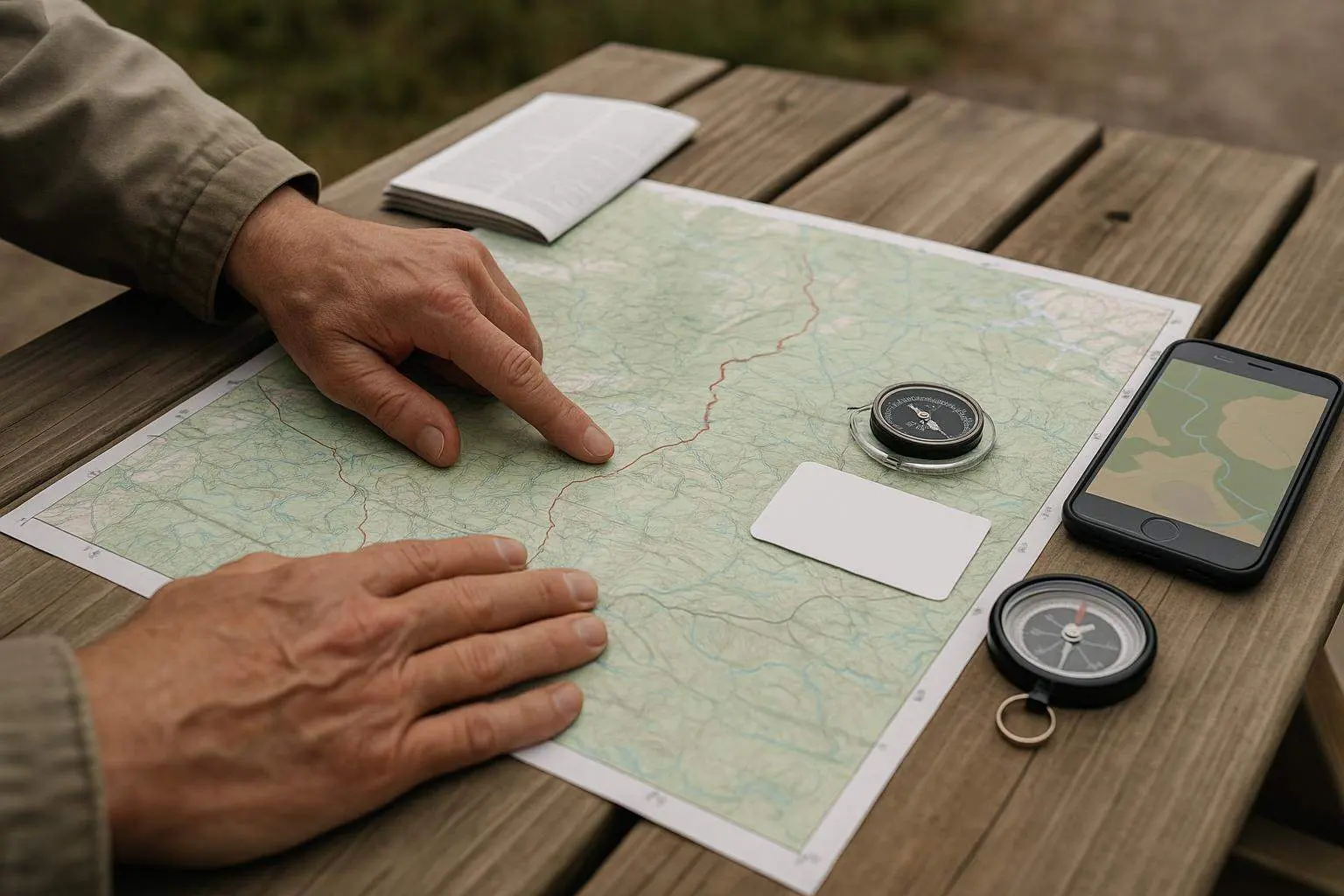
Find the area you are hunting in and any smaller parts of it that might have rules. Check who owns the land where you will park and the paths you will take to get to your hunting spot. Just because a path or a river looks like it is public doesn't mean you can walk across land. Look for any warnings about areas, places that need a permit or rules because of fires or places that protect animals.
Online maps can show you the land. They might not be the most up to date. Always check what you see on the map with the rules from the people in charge signs on the land and the people who live there. If you see differences fix them before you leave.
Focus on Boundaries for Safety
Knowing where the boundaries are is important not to stay legal but also to stay safe. A bad choice can put you in danger like being near roads, buildings or dangerous places. Planning before you go is the way; don't let a rush at the last minute decide your path.
When you plan your trip mark clearly where you will park, how you will get in and the areas you will hunt. It's also an idea to have space around any areas that are not allowed. Remember, things like fences or trails don't always show the lines. If you are not sure about an area find the limits.
Keep a copy of your map and also print one for backup. Tell someone who is not going with you where you are going and when.
Choose Your Gear Carefully
Your hunting gear should fit the place and the time of year. Start by checking what tools are allowed where you are going and think about the challenges the land and the weather might bring.
Even if your gear is allowed it might be hard to use depending on the weather. Pick your tools carefully especially how you will find and hunt your game in places.
This is also a time to check that you have everything you need-your license, the way to mark your kill the rules for your gear and the knowledge of how to use calls, lights, bait or electronic equipment. Different places have rules so follow the local ones to stay legal and act in a responsible way.
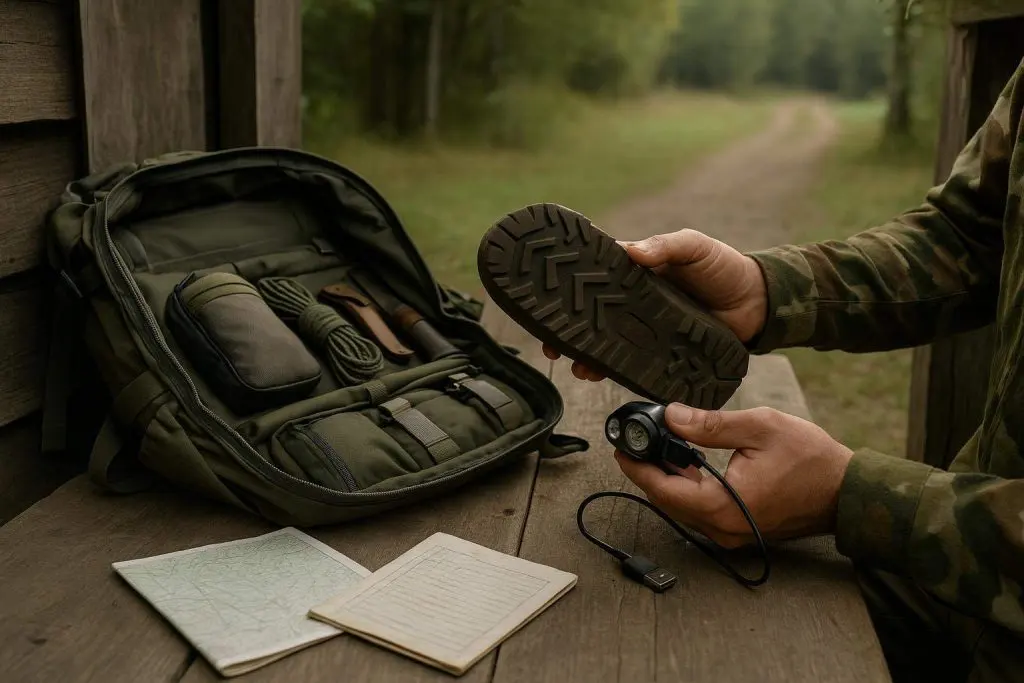
Also check your clothes and shoes for weather and comfort. Make sure any tools you use to find your way are fully charged and ready because things can change quickly in the wild.
Be Ready for Ethical Choices
Having a plan means you are ready to change your hunt if something unexpected happens. Conditions like lines sudden meetings with others or changes in what you can see can all affect your choices. Understanding these things helps you stay safe and protect the place you are hunting. It also shows respect for other people who like to hunt.
Always remember that each place has its rules that must be checked. Just because a new spot looks good and easy to reach doesn't mean it follows the rules you know.
An ethical hunter shows respect for the land, hunters, animals on farms places where birds nest and the rules for finding your kill. Your choices matter a lot; conservation depends on your choices much as it depends on following the rules.
Final Checks
Before you go go through this list to make sure you didn't forget anything:
– Check the latest rules for your specific area the animals you are hunting the dates and the approved ways.
– Make sure you have your license and the tags and know what you need to do to report your kill.
– Check your access rights, who owns the land and any closed areas on your planned route.
– Make sure you have maps on your phone and also printed out.
– Check your plans for weather and how you will stay in touch.
– Think about what would make you stop hunting and be ready to do that.
Write down when and where you got the information. If you still have questions call the group in charge or the land owner for answers. Rules can. Getting help is better than using old knowledge. By getting ready you are better able to make choices that're legal, safe and kind, to the environment.

Related Posts